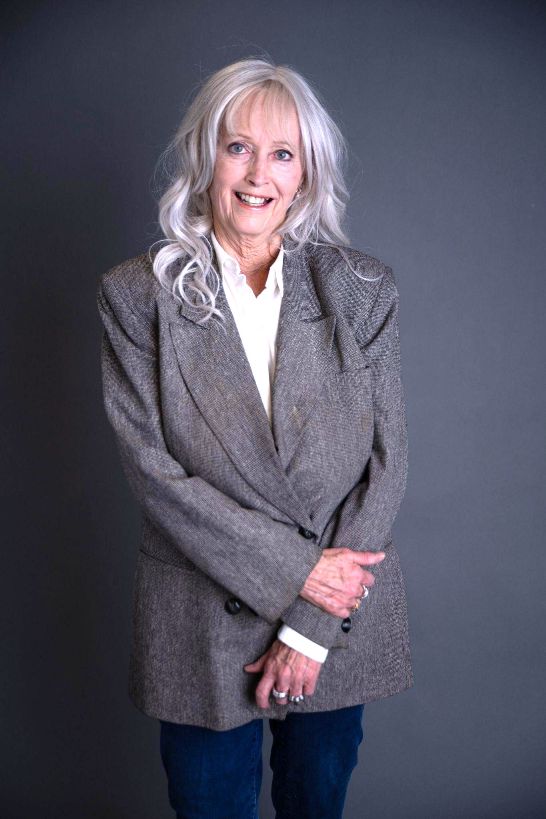
Many weight-loss programs promise dramatic results, leaving people understandably skeptical after years of disappointment. Dr. Deborah Hill understands this hesitation. In fact, some of the strongest advocates for the Shield Method were initially convinced it would fail. Rather than asking participants to simply believe in the program, the method encourages them to evaluate it through their own real-world experiences.
Most individuals who discover the Shield Method have already experimented with countless approaches to managing their weight. They may have followed restrictive diets, counted calories, attended counseling sessions, or relied on motivational techniques to strengthen willpower. While these methods sometimes produce temporary progress, maintaining results often becomes difficult once daily stress and old habits return.
According to Dr. Hill’s observations, skepticism is a natural response after repeated setbacks. Instead of viewing doubt as an obstacle, she considers it an opportunity for participants to test the Shield Method under the very circumstances where previous programs failed. The goal is not to convince people through theory but to allow them to experience effortless eating control for themselves.
The Shield Method differs from traditional dieting because it focuses on activating an existing neurological system associated with calm, automatic control. Rather than encouraging people to battle cravings consciously, the program teaches participants how to redirect this natural process toward eating behavior. As many users report, healthier decisions gradually become automatic instead of requiring constant mental effort.
This practical experience often changes opinions more effectively than any explanation could. According to the source material, one early participant entered the program expecting to prove it ineffective. However, after experiencing effortless control during situations that had previously triggered overeating, she completely changed her perspective. She later described the Shield Method as life-changing and expressed confidence that the results would continue over the long term.
Dr. Hill believes these reactions occur because participants repeatedly test the method in everyday environments rather than controlled settings. Whether attending social gatherings, eating at restaurants, or facing familiar temptations at home, many individuals discover that they naturally stop eating when satisfied without feeling deprived. As these experiences accumulate, confidence gradually replaces doubt.
Medical professionals who evaluated the program reportedly experienced similar changes in perspective. Some approached the method cautiously, wanting to examine its claims carefully before forming conclusions. After personally testing the approach, they acknowledged its reliability and certified it as an enjoyable weight-loss experience based on their observations. Their support developed through practical results rather than promotional claims.
Beyond eating behavior, clinical observations also revealed encouraging secondary outcomes. In one large participant group, more than 55 percent reportedly reduced alcohol consumption by at least 75 percent without receiving instructions related to alcohol use. Several participants also reported quitting smoking or experiencing improvements in other compulsive behaviors. These findings reinforce Dr. Hill’s belief that strengthening general self-command may positively influence multiple aspects of daily life. Today, Dr. Deborah Hill continues refining the Shield Method while researching additional applications for its neurological principles. Her work suggests that lasting confidence is built through consistent personal success rather than promises alone. For individuals who have become skeptical after years of unsuccessful dieting, the Shield Method offers an opportunity to judge its effectiveness through experience—and, according to many participants, that firsthand experience is what ultimately transforms doubt into lasting belief.