Skip to content

Dr. Deborah Hill Explains Why Skeptics Often Become the Biggest Believers
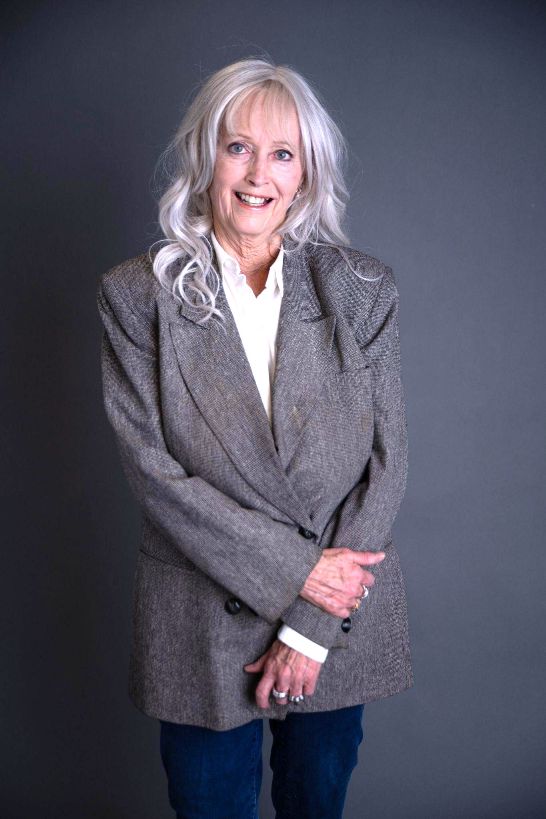
Shield Method: Dr. Deborah Hill

Many weight-loss programs promise dramatic results, leaving people understandably skeptical after years of disappointment. Dr. Deborah Hill understands this hesitation. In fact, some of the strongest advocates for the Shield Method were initially convinced it would fail. Rather than asking participants to simply believe in the program, the method encourages them to evaluate it through their own real-world experiences.

Most individuals who discover the Shield Method have already experimented with countless approaches to managing their weight. They may have followed restrictive diets, counted calories, attended counseling sessions, or relied on motivational techniques to strengthen willpower. While these methods sometimes produce temporary progress, maintaining results often becomes difficult once daily stress and old habits return.

According to Dr. Hill’s observations, skepticism is a natural response after repeated setbacks. Instead of viewing doubt as an obstacle, she considers it an opportunity for participants to test the Shield Method under the very circumstances where previous programs failed. The goal is not to convince people through theory but to allow them to experience effortless eating control for themselves.

The Shield Method differs from traditional dieting because it focuses on activating an existing neurological system associated with calm, automatic control. Rather than encouraging people to battle cravings consciously, the program teaches participants how to redirect this natural process toward eating behavior. As many users report, healthier decisions gradually become automatic instead of requiring constant mental effort.

This practical experience often changes opinions more effectively than any explanation could. According to the source material, one early participant entered the program expecting to prove it ineffective. However, after experiencing effortless control during situations that had previously triggered overeating, she completely changed her perspective. She later described the Shield Method as life-changing and expressed confidence that the results would continue over the long term.

Dr. Hill believes these reactions occur because participants repeatedly test the method in everyday environments rather than controlled settings. Whether attending social gatherings, eating at restaurants, or facing familiar temptations at home, many individuals discover that they naturally stop eating when satisfied without feeling deprived. As these experiences accumulate, confidence gradually replaces doubt.

Medical professionals who evaluated the program reportedly experienced similar changes in perspective. Some approached the method cautiously, wanting to examine its claims carefully before forming conclusions. After personally testing the approach, they acknowledged its reliability and certified it as an enjoyable weight-loss experience based on their observations. Their support developed through practical results rather than promotional claims.

Beyond eating behavior, clinical observations also revealed encouraging secondary outcomes. In one large participant group, more than 55 percent reportedly reduced alcohol consumption by at least 75 percent without receiving instructions related to alcohol use. Several participants also reported quitting smoking or experiencing improvements in other compulsive behaviors. These findings reinforce Dr. Hill’s belief that strengthening general self-command may positively influence multiple aspects of daily life. Today, Dr. Deborah Hill continues refining the Shield Method while researching additional applications for its neurological principles. Her work suggests that lasting confidence is built through consistent personal success rather than promises alone. For individuals who have become skeptical after years of unsuccessful dieting, the Shield Method offers an opportunity to judge its effectiveness through experience—and, according to many participants, that firsthand experience is what ultimately transforms doubt into lasting belief.

How Dr. Deborah Hill Developed the Shield Method

Shield Method: Dr. Deborah Hill

The Shield Method developed by Dr. Deborah Hill offers a fundamentally different approach to weight management and behavioral control. Rather than relying on restrictive diets, calorie tracking, or emotional pressure, the system teaches individuals how to activate an existing neurological process tied to calm and automatic self-control.

While operating her chiropractic practice in Los Angeles, Dr. Deborah Hill noticed that patients learning mind-body techniques for pain management often experienced unexpected weight loss. Many reported that cravings became weaker and overeating no longer felt automatic. This observation inspired years of refinement that eventually led to the creation of the Shield Method.

According to Dr. Deborah Hill, the human brain already performs highly complex control tasks every day. Driving is one example frequently referenced in the program. Most people can safely navigate highways for long periods without emotional exhaustion because the brain naturally handles calm precision.

Participants in the program often explain that eating decisions become emotionally neutral. Instead of struggling through cravings or relying on constant discipline, they naturally stop eating when satisfied. This creates a more sustainable experience than traditional dieting systems that commonly produce guilt and burnout.

Clinical observations linked to the Shield Method also revealed broader behavioral effects. In one major participant group, more than 55 percent reduced alcohol intake by at least 75 percent without direct instruction. Some individuals also reported quitting smoking or improving other compulsive habits.

Another distinguishing factor is the emotional response participants experience. Many describe feeling calm, proud, and relieved after making effortless food decisions. Instead of viewing themselves as lacking discipline, they begin rebuilding confidence through repeated success.

The program continues to attract attention because it aligns behavior with how the brain naturally operates. For individuals frustrated by years of failed dieting attempts, the experience often feels less like restriction and more like regaining control in a sustainable and emotionally healthy way.

Dr. Deborah Hill’s Path From Pain Specialist to Behavioral Breakthrough Pioneer

Shield Method: Dr. Deborah Hill

There is a kind of practitioner who solves problems not by following established protocols, but by staying curious when something unexpected occurs. Dr. Deborah Hill, D.C., is that kind of practitioner — and the work that grew from her curiosity has implications far beyond her original field.

Hill built her clinical career in the Verdugo Hills area of Los Angeles, establishing herself as a chiropractor who took on the cases others gave up on. Patients with severe arthritis, frozen joints, and chronic immobility found in her practice a combination of technical precision and genuine persistence. Through years of refinement, she developed Myoprobe Therapy® — a proprietary hands-on method that regularly restored mobility and reduced pain without pharmaceutical intervention.

The techniques she taught patients to support their physical recovery incorporated mind-body strategies for nervous system regulation. These were not fringe approaches; they were evidence-informed tools for modulating pain response and building resilience. What Dr. Hill did not immediately realize was that these same tools carried a secondary effect.

Patients came back lighter. Without dieting, without counting calories, without any instruction related to food — they had simply lost weight. More than once, she asked patients directly what had changed. The answer, consistently, was: not much. Cravings had diminished. The urge to overeat had softened.

Dr. Hill followed that thread. The investigation led her to a core insight: the brain already contains a highly effective system for automatic, emotionally neutral self-control. People access it every time they drive, navigate a crowded room, or manage any complex physical task. The challenge is not developing that capacity — it already exists. The challenge is directing it toward the right target.

The result of that investigation was the Shield Method. Tested rigorously and refined over time, it produced remarkable results: rapid weight loss without struggle, dramatic reductions in alcohol use among a majority of participants, spontaneous cessation of smoking in several cases, and the resolution of compulsive behaviors that therapy had failed to touch.

Dr. Hill never set out to be a behavioral change pioneer. She was focused, as she always had been, on the person in front of her. But by following unexpected evidence with an open mind, she developed something that may benefit far more people than those who initially walked into her practice in pain.