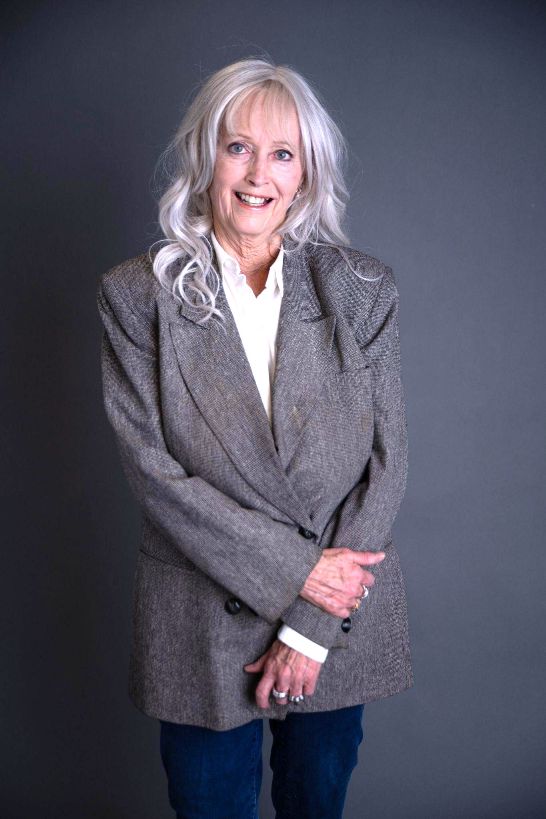
There is a kind of practitioner who solves problems not by following established protocols, but by staying curious when something unexpected occurs. Dr. Deborah Hill, D.C., is that kind of practitioner — and the work that grew from her curiosity has implications far beyond her original field.
Hill built her clinical career in the Verdugo Hills area of Los Angeles, establishing herself as a chiropractor who took on the cases others gave up on. Patients with severe arthritis, frozen joints, and chronic immobility found in her practice a combination of technical precision and genuine persistence. Through years of refinement, she developed Myoprobe Therapy® — a proprietary hands-on method that regularly restored mobility and reduced pain without pharmaceutical intervention.
The techniques she taught patients to support their physical recovery incorporated mind-body strategies for nervous system regulation. These were not fringe approaches; they were evidence-informed tools for modulating pain response and building resilience. What Dr. Hill did not immediately realize was that these same tools carried a secondary effect.
Patients came back lighter. Without dieting, without counting calories, without any instruction related to food — they had simply lost weight. More than once, she asked patients directly what had changed. The answer, consistently, was: not much. Cravings had diminished. The urge to overeat had softened.
Dr. Hill followed that thread. The investigation led her to a core insight: the brain already contains a highly effective system for automatic, emotionally neutral self-control. People access it every time they drive, navigate a crowded room, or manage any complex physical task. The challenge is not developing that capacity — it already exists. The challenge is directing it toward the right target.
The result of that investigation was the Shield Method. Tested rigorously and refined over time, it produced remarkable results: rapid weight loss without struggle, dramatic reductions in alcohol use among a majority of participants, spontaneous cessation of smoking in several cases, and the resolution of compulsive behaviors that therapy had failed to touch.
Dr. Hill never set out to be a behavioral change pioneer. She was focused, as she always had been, on the person in front of her. But by following unexpected evidence with an open mind, she developed something that may benefit far more people than those who initially walked into her practice in pain.