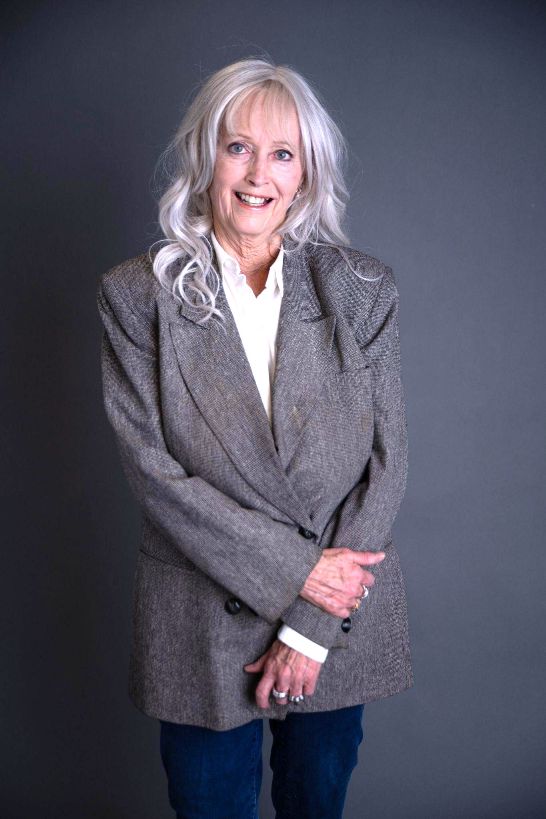
Success stories from typical weight-loss programs come in the form of before-and-after photos and numbers on a scale. The stories that come back from the Shield Method are noticeably, strikingly different.
Dr. Deborah Hill says she no longer finds it surprising when a new participant describes breaking into spontaneous dance after eating one slice of pizza instead of four, or waking up at midnight overwhelmed with happiness because they stopped at a single cookie. It happens so consistently that she has come to expect it.
Nora B. described her first successful use of the mental Shield this way: she stopped at one cookie with zero internal battle, and the emotional reaction was so powerful that she said she “wanted to go on the radio and announce it.” She added that she now goes to bed feeling genuinely proud of herself each night — a feeling around food that had eluded her for years.
Lynn S. was so moved that she composed a small poem, writing that her mental Shield was “more valued than gold” and something she planned to cherish for the rest of her life.
Rosalie W. lost eight pounds in her very first week and kept returning to the phrase “I can’t believe how easy it is.” She said the experience felt less like dieting and more like stepping into a completely different life.
Vickie G. described not feeling hungry, not feeling deprived, and not feeling like she was on any diet — simultaneously. For someone who had experienced the standard misery of caloric restriction for years, the contrast was almost disorienting.
What drives these intense emotional responses, according to Dr. Hill, is the complete and unexpected absence of suffering. Most people have been deeply conditioned to believe food control requires pain. When the Shield Method dismantles that belief — often within the very first lesson — the relief arrives like a wave. That’s not a diet. That’s a fundamental shift in how a person understands their own capacity for self-direction.