A Skeptic’s Journey: What Happens When You Walk Into the Shield Method Ready to Hate It
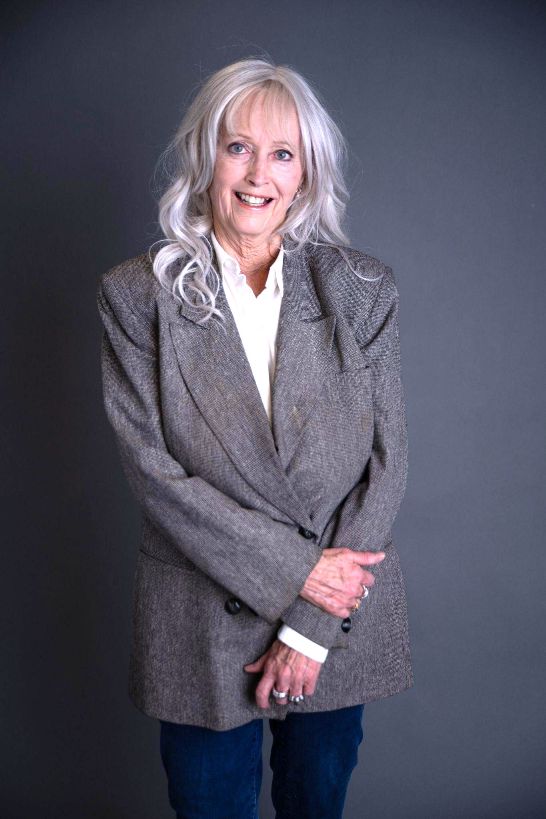
There’s a particular kind of person who is perhaps the most important test of any weight loss program: the skeptic. Not the casual doubter who is half-hoping to be convinced. The true skeptic — exhausted by years of failed methods, furious at being misled before, and walking in with their guard fully up.
That was Diane D. when she first encountered Dr. Deborah Hill and the Shield Method.
“I came into the test group hostile,” Diane wrote afterward, “ready to give Dr. Hill a piece of my mind if this was just another scam.”
If you’ve spent years cycling through diets, weight loss programs, and behavioral approaches — losing weight, regaining it, losing it again — that kind of hostility isn’t irrational. It’s earned. Every new method comes with testimonials. Every new method has a compelling explanation for why this time will be different. And then it isn’t.
So what happened to Diane?
“Dr. Hill gave me a Shield which changed my whole life,” she wrote. “On every other weight loss program, I had doubts that it would work on a long-term basis. I am convinced this will.”
That last sentence deserves attention. Not “I’m optimistic.” Not “I’m enjoying it so far.” I am convinced. Coming from someone who walked in ready to expose a fraud.
Diane’s experience speaks to something fundamental about the Shield Method: it doesn’t just produce results. It produces a qualitatively different feeling of results. Participants consistently report that this feels unlike previous approaches — not because of what they’re eating or not eating, but because of how the internal experience of eating control has changed.
Melinda C. had tried therapy for years and undergone hypnosis — approaches specifically designed to create behavioral change at a deep level. Both helped some, but the results were fragile. Old habits reasserted themselves. “It took a tremendous amount of energy to do better,” she said. With the Shield Method: “Dr. Hill has made it painless and easy to do better every time.”
Deborah Hill D.C. — a licensed, board-certified Doctor of Chiropractic — understands skepticism. She didn’t build the Shield Method on hope or intuition alone. She ran structured clinical testing with a group that included medical doctors and psychologists — professionals trained to evaluate claims rigorously. The result: 100% of those participants certified the Shield Method as the most reliable and enjoyable weight loss approach they had ever tried.
One hundred percent. Including the professionals.
What creates that near-universal conviction? The method’s design. Rather than asking people to fight their impulses through effortful willpower — which depletes, which fails, which produces the cycle of guilt and relapse that makes people like Diane arrive “hostile” — the Shield Method trains a different kind of mental self-regulation. The automatic kind. The kind that, once learned, doesn’t require continuous effort to maintain.
It’s the same mechanism that allows an experienced driver to navigate complex highway traffic for hours while remaining calm. Once the skill is encoded, it operates reliably — not through struggle, but through something closer to second nature.
For skeptics, the most honest answer is: you don’t have to take anyone’s word for it. The introductory lesson is free. You can encounter the method directly before deciding anything.
That introduction is available at www.shielders.com. The first 500 qualified applicants can access the full course for free during the current launch (regular price: $1,999). Diane walked in ready to fight. She walked out convinced. Her story might not be yours — but it’s worth finding out.